The 2019 triple homicide in Glendale began as a shocking act of violence and has since evolved into a complex, years-long legal battle that continues to unfold as of April 2026. What authorities described as a targeted home-invasion robbery on April 18, 2019, left three men—Leon Gough II, Deandre Tyronne Sims, and Christian Marty Moukam—dead inside a Columbia Drive residence.
Within weeks, a multi-agency investigation involving local police and federal authorities led to four arrests across two states. Franklin Sadler and Jacob Jamora were taken into custody in Canoga Park, California, while John Poh and Jordon Byrd were arrested in Murfreesboro, Tennessee. All four were charged with multiple counts of murder, and prosecutors pursued the case under a felony-murder theory tied to robbery.
From the outset, the case was serious—but few could have predicted how long and procedurally complex it would become.

The Court Process Under Judge Carter
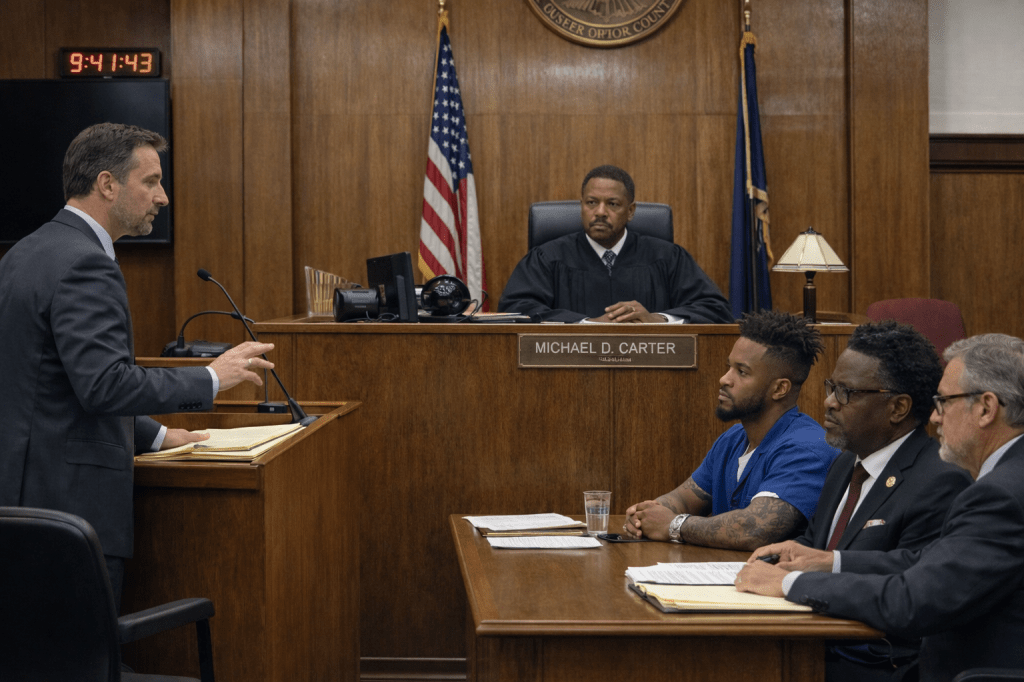
Now presided over by Judge Carter, the case has remained in pretrial litigation for nearly seven years. Franklin Sadler entered a not guilty plea early on, and the proceedings have since been shaped by extensive discovery disputes, procedural motions, and systemic delays.
Like many multi-defendant homicide cases, this one involves large volumes of evidence—ranging from witness statements and forensic reports to digital communications and video recordings. The process of reviewing and exchanging this material has proven slow and contentious.
Compounding this was the COVID-19 pandemic, which significantly disrupted court operations across California and contributed to a backlog of cases, especially serious felony trials.
Discovery Battles and Legal Tensions
As of early April 2026, the focus in court has shifted heavily toward discovery issues. Sadler’s defense has filed motions seeking full access to evidence, including:
- Complete video interviews
- Full, unedited transcripts
- Broader disclosure beyond redacted summaries
Central to this dispute is the concept of a proffer—a summary of the prosecution’s evidence. While prosecutors can redact sensitive information, the defense argues that excessive redactions or incomplete disclosures limit their ability to prepare an adequate defense.
These concerns raise potential issues under the legal principle of Brady disclosure, which requires prosecutors to provide any evidence that may be favorable to the defendant. If violations are found, Judge Carter has the authority to order remedies ranging from compelled disclosure to evidentiary sanctions.
There are also indications that procedural challenges have been raised regarding how certain filings were submitted by the prosecution, adding another layer of legal scrutiny before the case can proceed to trial.
A Case Still Waiting for Trial
Perhaps the most striking aspect of this case is the timeline. As of April 2026, nearly seven years have passed since the arrests, and the case has yet to reach a jury trial. This delay raises ongoing constitutional questions about the right to a speedy trial, though courts often weigh such concerns against the complexity of the case and the causes of delay.
In this instance, multiple defendants, extensive evidence, and prolonged legal disputes have all contributed to the slow pace.
Public Attention and Advocacy
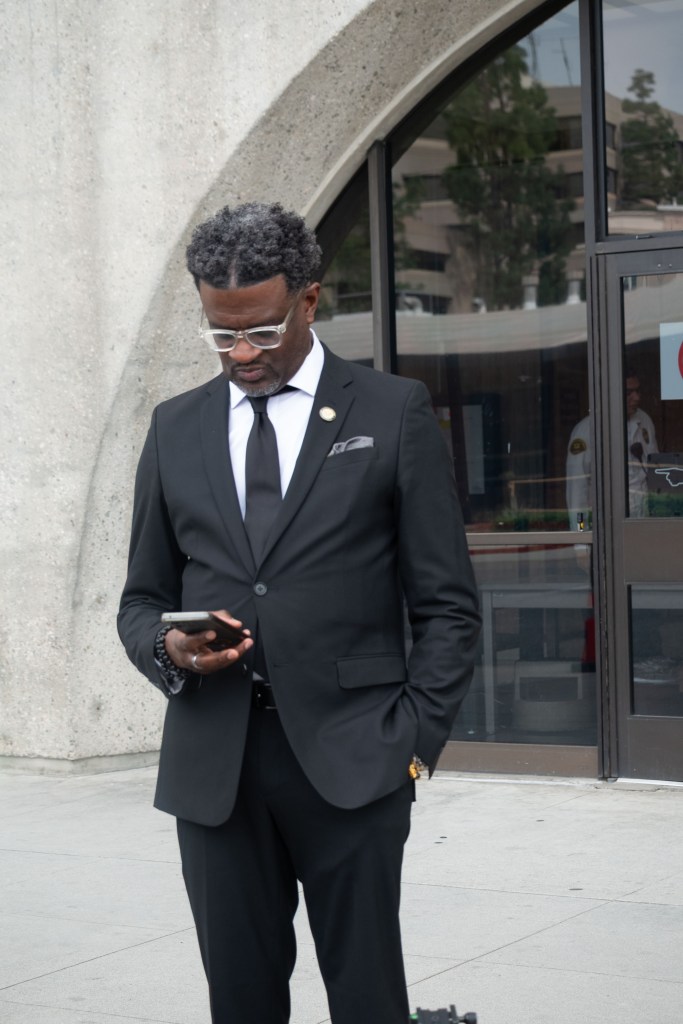
Beyond the courtroom, the case has gained increased public attention in part due to the involvement of John C. Barnett, a civil rights activist who has been working with the Sadler family. Barnett has helped bring visibility to the case, raising concerns about due process, prolonged pretrial detention, and transparency in the handling of evidence.
Barnett’s broader advocacy work is also notable—he has reportedly assisted in the release of 33 inmates, all of whom are Black, highlighting his ongoing focus on criminal justice reform and wrongful incarceration. His involvement in the Sadler case has contributed to its growing notoriety and public scrutiny.
Where Things Stand Now
As it stands, the Glendale triple homicide case remains unresolved, with key pretrial issues still being litigated under Judge Carter’s supervision. The most recent activity in April 2026 centers on motions to compel discovery and clarify what evidence the defense is entitled to review.
Before a jury can be seated, the court must resolve these foundational disputes. Only then can the case move forward into the trial phase, where the full weight of the evidence will be tested.
What’s Next: April 2026 Court Dates
The case is continuing to move forward incrementally. Franklin Sadler’s next scheduled court appearance is set for April 24, 2026, where ongoing discovery issues and pretrial motions are expected to remain central topics.
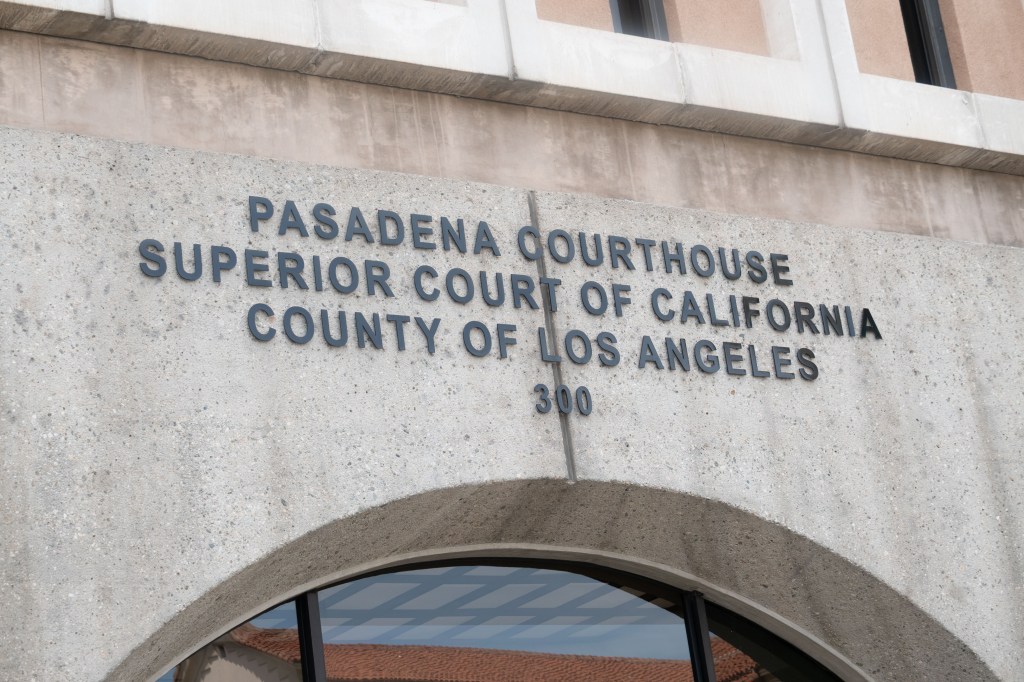
In addition, Barnett and his team are expected to return to Pasadena later this month, signaling continued advocacy and attention surrounding the proceedings at the courthouse handling the case.
Final Thoughts
What began as a tragic and violent crime has become a prolonged legal process shaped by complexity, delay, and growing public scrutiny. With advocacy efforts increasing and legal tensions continuing to surface, the path to trial remains uncertain—but closely watched.
As the case progresses, its outcome may not only determine the fate of the accused but also raise broader questions about how justice is administered in long-running, high-stakes criminal prosecutions.
 Tj-P Enterprise and Media
Leave a comment